
Are You One of the 7 Out of 10 People Troubled by Acidity? Here's What You Need to Know
Here's What You Need to Know
If you’ve ever felt a burning sensation in your chest or a sour taste in your mouth after eating, you’re not alone. In fact, about 7 out of 10 people are affected by acidity at some point in their lives. Shocking, right? But the good news is that with the right knowledge and a few lifestyle changes, you can manage and even reduce acidity.
So let’s dive into what acidity is, why it happens, how to spot the stages, and what you can do to minimize the discomfort.
What is Acidity?
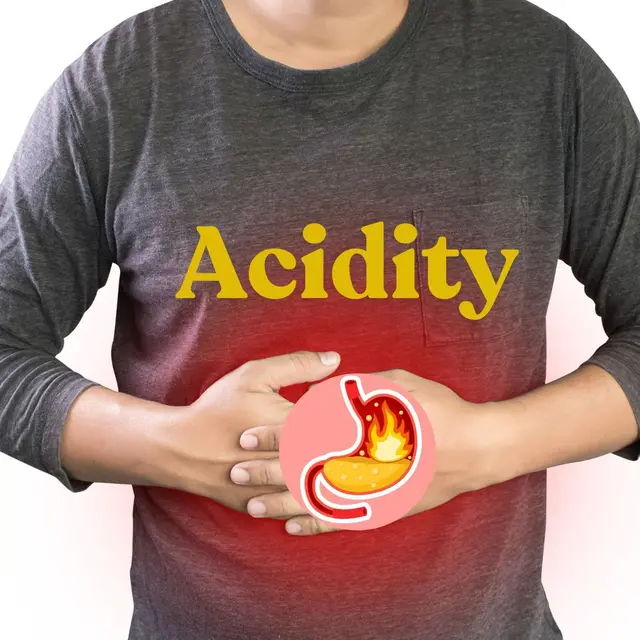
Acidity occurs when the gastric glands in the inner part of your stomach secrete more acid than your body needs. While some level of acid is necessary for digestion, excess acid can lead to that all-too-familiar burning sensation, known as acid reflux or heartburn. Since acidity is closely linked to our daily habits and lifestyle choices, it’s no surprise that it’s becoming more common in people dealing with stress.
Why Does Acidity Occur?
Acidity isn’t just about what you eat—it’s also influenced by your habits, stress levels, and even your sleep pattern. Here are some common causes of acidity:
- Stress: When you're stressed, your body releases a hormone called cortisol, which can trigger acidity.
- Poor Sleep: Not getting enough rest can disrupt the body’s normal acid production.
- Overeating: Eating large meals or consuming food too quickly can overwhelm your stomach’s ability to manage acid.
- Unhealthy Foods: Fatty, oily foods, chocolate, coffee, tea, and alcohol can irritate your stomach lining and increase acid production.
- Medications: Some medicines, like painkillers, antibiotics, and steroids, can also contribute to acidity.
The Stages of Acidity
Acidity isn’t always the same for everyone. It can range from mild discomfort to more severe symptoms. Here’s how acidity can progress through four stages:
- Mild Acid Reflux:
At this stage, you may experience slight chest pain, a burning sensation, or the feeling of something stuck in your throat. It’s uncomfortable but usually short-lived. - Moderate Acid Reflux:
Symptoms intensify here. You may feel more prolonged chest pain, a stronger burning sensation near the liver, or persistent discomfort in your throat. You might even experience occasional headaches. - Severe Acid Reflux:
At this point, the symptoms from earlier stages become more severe. You could feel food coming up into your throat, experience blisters in your mouth, and start vomiting. The headaches might also worsen. - Malignant Acid Reflux:
This is the most extreme stage of acidity. Continuous chest pain, long-lasting burning sensations, severe headaches, and frequent episodes of sour liquid coming up your throat are all common. At this stage, vomiting becomes recurrent, and hospitalization might even be necessary due to the severity of the symptoms.
How to Reduce Acidity and Find Relief
If you're struggling with acidity, don’t worry—there are several steps you can take to relieve the discomfort and prevent it from recurring. Here are some easy-to-follow remedies:
- Avoid Trigger Foods: Steer clear of coffee, tea, soda, chocolate, alcohol, and spicy or oily foods.
- Smaller Meals: Instead of stuffing yourself with large meals, try eating smaller portions throughout the day.
- Sleep on Your Left Side: This position can help reduce acid reflux.
- Walk Before Eating: A brisk 20-25 minute walk before meals can help improve digestion. Just make sure to avoid walking immediately after eating.
- Drink Water Wisely: Avoid drinking too much water during meals, as it can dilute your stomach acid and lead to indigestion.
- Include Raw Vegetables and Buttermilk: These foods can help balance stomach acids and promote healthy digestion.
- Wait Before Lying Down: Allow at least one and a half hours between eating and sleeping to give your body time to digest.
Foods That Help Control Acidity
Certain foods can help reduce the frequency and severity of acidity episodes. Here are four food categories that can be particularly beneficial:
- High-Fiber Foods: Foods like oatmeal, brown rice, sweet potatoes, and raw salads are great for digestion and can help soothe the stomach lining.
- Alkaline Foods: The opposite of acid, alkaline foods like cabbage, cauliflower, and dried fruits can help neutralize stomach acid.
- Hydrating Fruits: Watery fruits such as watermelon, musk melon, and coconut water can help keep your stomach hydrated and calm acid production.
- Dairy: Consuming cold milk, ghee, or buttermilk (without sugar or spices) can help soothe the stomach and reduce acidity.
Lifestyle Changes for Long-Term Relief
By making a few simple changes to your daily routine, you can significantly reduce the frequency and severity of acidity. The key is consistency—take care of your body, manage stress, and be mindful of what you eat, and you’ll see improvements in no time.
However, for those who experience severe or malignant acidity, it’s advisable to consult a healthcare provider for personalized treatment. Homeopathic remedies, in particular, can offer a natural and holistic approach for those struggling with chronic acidity.
Conclusion
Acidity may seem like a minor inconvenience at first, but if left unchecked, it can lead to more serious health problems. By understanding the causes, stages, and effective remedies, you can take proactive steps to control your acidity and enjoy a more comfortable, healthier lifestyle. Try incorporating these tips into your routine and see how much better you feel. Your stomach will thank you!